Neurologic mapping
We evaluate how specific brain systems are functioning instead of assuming every migraine patient needs the same answer.

Migraine Care
Monovo evaluates the neurologic, structural, metabolic, and lifestyle factors that can shape migraine patterns so care is built around the whole patient rather than a single symptom.
We combine in-clinic expertise with remote monitoring and follow-through over time, giving patients a clearer path from evaluation to targeted treatment.


Migraine Focus
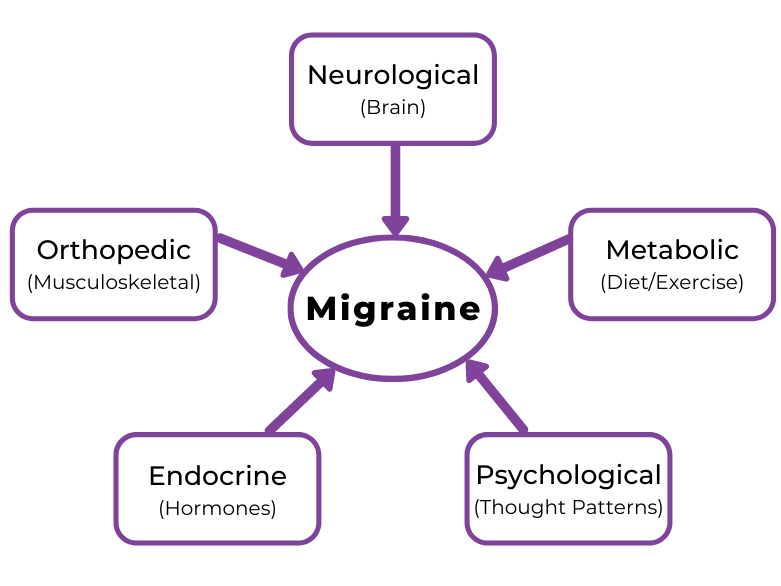
Chronic migraine is a multi-system condition. Most providers only address one system at a time. Novo Health Institute studies the connections between them and builds treatment around what those connections reveal.
We evaluate how specific brain systems are functioning instead of assuming every migraine patient needs the same answer.
Orthopedic, metabolic, endocrine, and lifestyle patterns are examined alongside neurologic symptoms to locate the true pressure points.
Wearables and remote observations allow us to compare what is happening at home with what we see in person.
Whole-Patient Philosophy
We look beyond isolated attacks to understand how the nervous system, recovery patterns, inflammation, sleep, movement, and other health variables may be working together.
That broader view helps us choose therapies with more precision and gives patients a care plan that can adapt as new data comes in.
Start With EvaluationHow Care Progresses
We begin with a detailed review of symptoms, health history, and the body systems that may be shaping the migraine picture.
Care may include neuro rehabilitation, chiropractic support, remote treatment, cognitive testing, labs, or imaging depending on the findings.
Progress is tracked across repeated visits and wearable context so the plan evolves with the patient rather than freezing after day one.
Patient Stories